| Subject |
Term 1 |
Term 2 |
Term 3 |
Term 4 |
Term 5 |
Term 6 |
|

This project teaches children about the environments that they share with others, including their homes, school and places in the local community. |


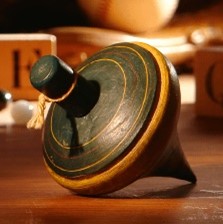
This interest-led project teaches children about the technology that is part of their daily lives and how machines help us. The project gives children the opportunity to build and create marvellous machines.
|

This project teaches children about how they have grown and changed since they were babies and how life in the past was different from today. |


This project teaches children about food and farming and explores themes, including where food comes from, what plants and animals need to grow and survive and what constitutes a healthy lifestyle. |


This project teaches children about the animals that live around the world, how to look after animals and the importance of caring for our local and global environments.
|

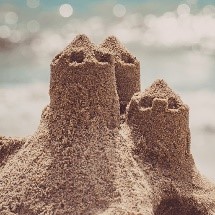
This project teaches children about the plants and animals that live at the seaside. It also explores holidays in the past and the importance of keeping safe in the Sun. |
| Prime Areas of Learning |
| Communication and Language |
- Sit on the carpet
- Be familiar with class rules and begin to follow them.
- Follow simple instructions.
- Begin to answer how and why questions.
- Hold a conversation with familiar adults and children.
- Use appropriate language in the role play area.
- Listen to others retell a simple story.
- Begin to follow 2-part instructions.
- Retell an event.
- Listen to stories with increasing attention.
|
- Talk about likes and dislikes.
- Join in with repeated refrains.
- Answer how and why questions
- Follow a simple recipe with support.
- Use talk to connect ideas and in role play.
- Give attention to what others say and respond appropriately.
- Build up a vocabulary of animal names.
- Use talk to organise, sequence and clarify their ideas.
- Introduce a story line into their play.
- Follow a story without pictures or props and make predictions.
|
- Be able to speak confidently in talk partners, small groups and in larger groups.
- Use sentences and phrases when talking to friends and staff.
- Answer how and why questions confidently.
- Use past, present and future forms accurately.
- Explain their ideas to others and retell well known stories.
- Respond to what they hear with relevant comments, questions or actions.
|
| Physical Development |
- Play stopping and starting games.
- Travel using different parts of their body.
- Move freely in a variety of ways and negotiate space during PE and outside.
- To become independent in managing their own needs- dress, undress, use cutlery.
- Copy letters from their name.
- Develop their pencil grip and control.
- Learn how to shape different materials.
- Develop their skills in using small apparatus.
|
- Gymnastics
- Continue to develop pencil grip and control.
- Experiment with different ways of moving, adjusting speed and direction.
- Play sending and receiving games with bats, balls and bean bags.
- Children will learn how to transport materials safely.
- Use simple tools and show an understanding about a healthy lifestyle.
- Children will form recognisable letters whilst developing their pencil control.
- They will develop their balance and coordination skills.
- Children will continue developing their independence in managing their own hygiene and personal needs.
- Use scissors to cut out spots and stripes.
|
- Children will form recognisable letters whilst developing their pencil control.
- Children will be given the opportunity to work as part of a team in their P.E lessons.
- Children will discuss and learn about sun safety.
- Children will take part in the EYFS Sports Day and work in mixed teams.
- Children will have opportunities to manage their own needs as they arise.
- Use a range of tools effectively and with good control.
- Be confident to take risks.
|
| Personal, Social and Emotional Development |
- Self Confidence and self-awareness.
- Managing feelings and Behaviour.
- Making Relationships.
- Making new friends, explore feelings and emotions.
- Understanding rules and routines.
|
- Self Confidence and self-awareness.
- Managing feelings and Behaviour.
- Making Relationships.
- Continue to develop their confidence when speaking in familiar groups.
- Share own experiences
- Talk about what they like and dislike.
- Suggest ideas of how to solve conflict
- Working independently and collaboratively.
- Plan own activities and select resources.
- Turn taking in games
|
- Maintaining attention and concentration
- Self Confidence and self-awareness.
- Managing feelings and Behaviour.
- Making Relationships.
- Organise their own activities.
- Begin considering each other’s ideas and needs.
|
| Specific Areas of Learning |
| Maths |
Mastering Number
Pupils will build on previous experiences of number from their home and nursery
environments, and further develop their subitising and counting skills. They will explore the composition of numbers within 5. They will begin to compare sets of objects and use the language of comparison.
Pupils will:
- Identify when a set can be subitised and when counting is needed.
- Subitise different arrangements, both unstructured and structured, including using the Hungarian number frame.
- Make different arrangements of numbers within 5 and talk about what they can see, to develop their conceptual subitising skills.
- Spot smaller numbers ‘hiding’ inside larger numbers.
- Continue to develop their subitising skills for numbers within and beyond 5, and increasingly connect quantities to numerals.
- Begin to identify missing parts for numbers within 5.
- Explore the structure of the numbers 6 and 7 as ‘5 and a bit’ and connect this to finger patterns and the Hungarian number frame.
- Focus on equal and unequal groups when comparing numbers
- Continue to develop their counting skills, counting larger sets as well as counting actions and sounds.
- Explore a range of representations of numbers, including the 10-frame, and see how doubles can be arranged in a 10-frame.
- Compare quantities and numbers, including sets of objects which have different attributes.
- Continue to develop a sense of magnitude, e.g. knowing that 8 is quite a lot more than 2, but 4 is only a little bit more than 2.
- Connect quantities and numbers to finger patterns and explore different ways of representing numbers on their fingers.
- Hear and join in with the counting sequence, and connect this to the ‘staircase’ pattern of the counting numbers, seeing that each number is made of one more than the previous number.
- Develop counting skills and knowledge, including: that the last number in the count tells us ‘how many’ (cardinality); to be accurate in counting, each thing must be counted once and once only and in any order; the need for 1:1 correspondence; understanding that anything can be counted, including actions and sounds.
- Compare sets of objects by matching.
- Begin to develop the language of ‘whole’ when talking about objects which have parts
White Rose
In Reception, we use White Rose Maths to cover our Shape, space and measure topics. Below are the areas that we will cover this term.
- Circle and Triangles
- Shapes with 4 sides
|
Mastering Number
Pupils will continue to develop their subitising and counting skills and explore the composition of numbers within and beyond 5. They will begin to identify when two sets are equal or unequal and connect two equal groups to doubles. They will begin to connect quantities to numerals.
Pupils will:
- Continue to develop their subitising skills for numbers within and beyond 5, and increasingly connect quantities to numerals.
- Begin to identify missing parts for numbers within 5.
- Explore the structure of the numbers 6 and 7 as ‘5 and a bit’ and connect this to finger patterns and the Hungarian number frame.
- Understand that two equal groups can be called a ‘double’ and connect this to finger patterns.
- sort odd and even numbers according to their ‘shape’.
- continue to develop their understanding of the counting sequence and link cardinality and ordinality through the ‘staircase’ pattern.
- order numbers and play track games.
- join in with verbal counts beyond 20, hearing the repeated pattern within the counting numbers.
White Rose
In Reception, we use White Rose Maths to cover our Shape, space and measure topics. Below are the areas that we will cover this term.
- Length, height and times
- Exploring 3D shapes
|
Mastering Number
Pupils will consolidate their counting skills, counting to larger numbers and developing a wider range of counting strategies. They will secure knowledge of number facts through varied practice.
Pupils will:
- continue to develop their counting skills, counting larger sets as well as counting actions and sounds.
- Explore a range of representations of numbers, including the 10-frame, and see how doubles can be arranged in a 10-frame.
- Compare quantities and numbers, including sets of objects which have different attributes.
- Continue to develop a sense of magnitude, e.g. knowing that 8 is quite a lot more than 2, but 4 is only a little bit more than 2.
- Continue to identify when sets can be subitised and when counting is necessary.
- Develop conceptual subitising skills including when using a rekenrek.
White Rose
In Reception, we use White Rose Maths to cover our Shape, space and measure topics. Below are the areas that we will cover this term.
- Exploring patterns
- Position and direction
- Explore mapping
|
| Literacy |
- Phonic Sounds: RWI Set 1 whole class
- Reading: Initial sounds, oral blending, CVC sounds, reciting known stories, listening to stories with attention and recall.
- Writing: Dominant hand, tripod grip, mark making, giving meaning to marks and labelling.
|
- Phonic Sounds: RWI differentiated groups
- Reading: Rhyming strings, common theme in traditional tales, identifying characters and settings. Story structure-beginning, middle, end. Innovating and retelling stories to an audience, non-fiction books.
- Writing: writing some of the tricky words such as I, me, my, like, to, the. Writing CVC words. Label using CVC, CVCC, CCVC words. Create own story maps, writing captions and labels, writing simple sentences.
|
- Phonic Sounds: RWI differentiated groups
- Reading: Non-fiction texts, Internal blending, Naming letters of the alphabet. Distinguishing capital letters and lower-case letters. Reading simple sentences with fluency. Reading CVCC and CCVC words confidently.
- Writing: Wrote recipes and lists. Writing for a purpose in role play using phonetically plausible attempts at words. Story writing, writing sentences using a range of tricky words that are spelt correctly. Beginning to use full stops, capital letters and finger spaces.
|
| Understanding the World
|
As well as well as our overarching topics we will explore…
- All about me (Linked to whole school topic)
- Harvest
- Fireworks
- Halloween
- The five senses
- Seasons
- Christmas
- Homes (both in UK and around the world)
|
As well as well as our overarching topics we will explore…
- Seasons
- Easter (Compare other religious celebrations)
- Plants and Gardening
- Comparing past and present
- Traditional tales
- Healthy food and lifestyle
|
As well as well as our overarching topics we will explore…
- Seasons
- Town and Country
- Animals/Life cycles
- Schools from around the world
- Sports day
- Summer fairs and traditions
- Holidays
|
| Expressive Art and Design |
- Painting
- 3D modelling (different types of houses)
- messy play
- collage
- cutting
- drama
- role play
- threading
- moving to music (explore music from different cultures)
- following music patterns with instruments,
- singing songs linked to topics.
- making instruments
- build models using construction equipment.
|
- Painting (mixing colours)
- 3D modelling (Hospitals past and present)
- messy play
- collage
- cutting (cutting and tying bandages linked to people who help us)
- drama
- role play
- threading
- moving to music (explore music from different cultures)
- following music patterns with instruments,
- singing songs linked to topics (Easter service songs)
- making instruments
- Build models using construction equipment.
|
- Painting (exploring different paints and brush techniques)
- 3D modelling (using clay to build castles)
- messy play
- collage
- cutting
- drama
- role play
- threading
- moving to music
- following music patterns with instruments,
- singing songs linked to topics.
- making instruments
- Build models using construction equipment. (royal palaces from around the world)
|
